
Food Pantries with Gluten-Free Food
Written By: Kelsey Chadwick, MS RDN LDN
1 in 6 people with celiac disease faces food insecurity and for years, studies have shown that gluten-free food is much more expensive than gluten-containing food items. There are various studies out there reporting that gluten-free food ranges anywhere from 139% to 242% more expensive than gluten-containing products. You can find these studies at the end of this post.
While the U.S. offers a medical tax deduction for gluten-free products, it’s not the most helpful, as it must exceed 7.5% of adjusted gross income. As an example, if your annual income is $50,000, you can only deduct medical expenses that exceed $3,750. Also, you can only claim medical expenses (including GF food) if you itemize deductions on your federal tax return, (Form 1040, Schedule A).
I’ve put together the following resources to help anyone who is struggling with access to gluten-free food or other foods free of allergens.
Feeding Gluten Free
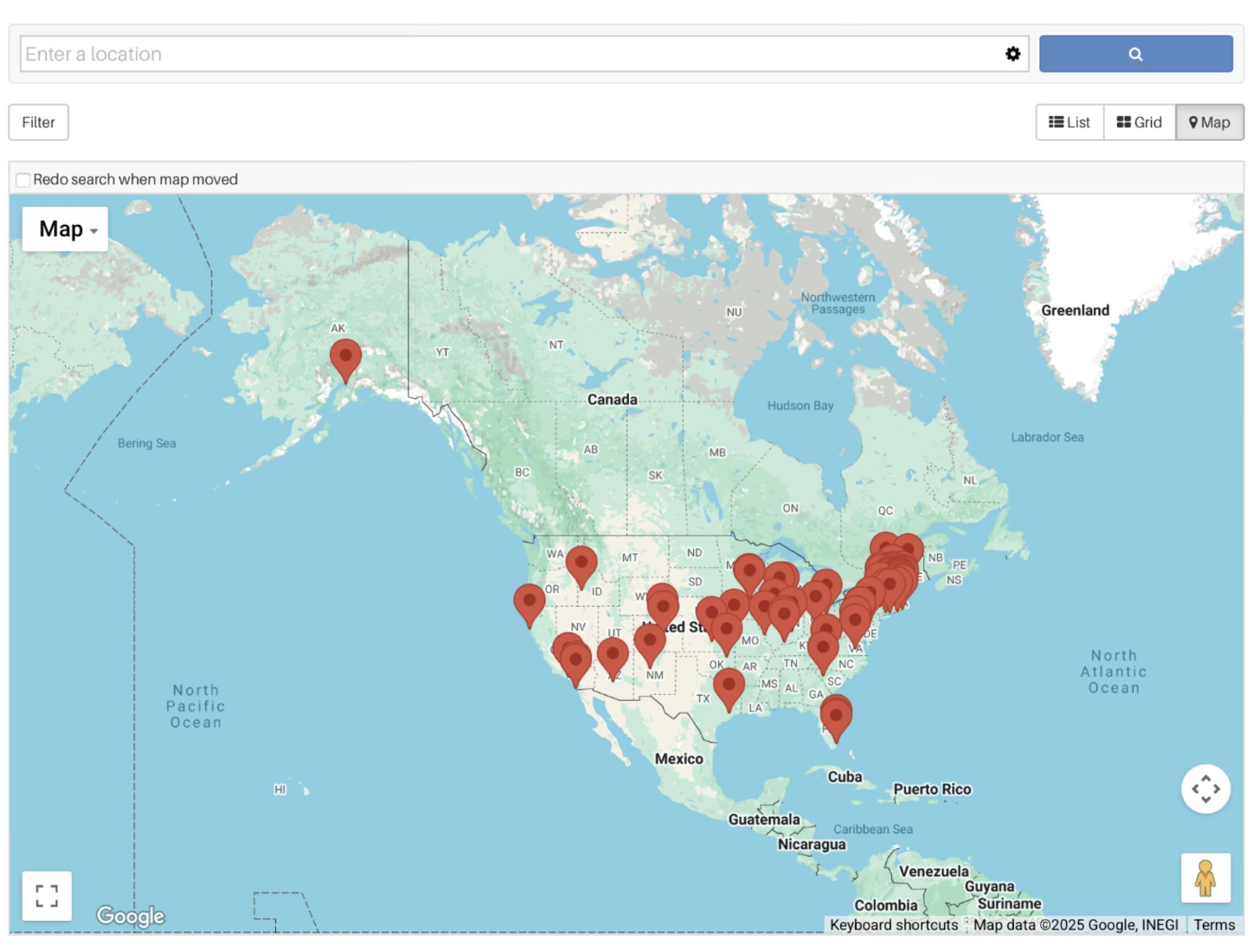
The National Celiac Association has an amazing resource “Search for a Pantry with GF Food” on their website, which you can find here. Contact the food pantry ahead of time to make sure they have gluten-free items available and to inquire if you need a doctor’s note confirming you have celiac disease or other medical dietary needs. Some food pantries also require you to be a resident in the city or town the food pantry is located.
Celiac Disease Food Insecurity Resource Network
(CD-FIRN)
The Celiac Disease Food Insecurity Resource Network (CD-FIRN) is administered by the Celiac Disease Foundation. This program provides monthly nutritious gluten-free food boxes to food insecure families with celiac disease. The program also provides nutrition education and cooking classes at no cost. This program requires a physician referral and individuals looking for food support resources, can contact info@celiac.org.
Food Allergy Research & Education (FARE) also has some great resources on their website for those with celiac disease and food allergies. Their handout “Tips for Avoiding Your Allergen” is a great resource to utilize and share with food pantries.
FARE shares the following food banks that are food allergy and celiac disease focused:
1. Food Equality Initiative (FEI)
Food Equality Initiative offers a direct-to-door grocery delivery service for qualified clients through their Food Is Medicine Access Home (FIMH) program. You can apply for assistance directly on their website, here.
Location: Kansas City, MO
2. Garden of Health Food Bank
Garden of Health Food Bank provides special dietary foods and fresh produce to food pantries and community organizations, including gluten-free items, nut-free items and diabetic items. They make regular deliveries to over 50 food pantries and community organizations. You can find more information on their programs and where they distribute here. There are also volunteering opportunities, if you would like to volunteer.
Location: Pennsylvania (Montgomery and Bucks Counties)
3. Supplying Allergy Friendly and Emergency (SAFE) Food Pantry
SAFE Food Pantry services those with food allergies and celiac disease. Gluten-free and allergy-friendly food is distributed on the 3rd Saturday of the month at the NonProfit Caollaboritive (9770 Patuxent Woods Drive in Columbia, MD) from 10am-12pm. You can register for services during the monthly distribution. You can also arrange pickups during the week following the monthly distribution.
You can also receive gluten-free and allergy-friendly food at the Howard County Food Bank. You must be registered with SAFE and Howard Country Food Bank.
You can learn more on their website, here.
Location: Howard County, Maryland
Food is Medicine
A food Pharmacy (also called Food Farmacy) is a community-based program that provides nutrition foods to help people manage or prevent health conditions. For most Food Pharmacies, health care providers need to “prescribe” specific foods to patients with medical conditions or specific nutrition needs. However, for some food pharmacies, you do not need a health care provider to write you a “prescription” or refer you. Food Pharmacy locations vary and can be located in clinics, hospitals, schools and community spaces. Check out your local community to see if they have a food pharmacy. Below is a list of food pharmacies I could find online:
The Eat Well Food Farmacy: This program has locations in Camden, NJ, and Mount Holly, NJ. It offers nutrition education, social support resources, and access to free produce and nonperishable groceries for those with diet-related chronic conditions.
BlueRidge Area Foodbank — List of food pharmacies
Geisinger Fresh Food Farmacy (Locations throughout PA)
Additional Resources (without a specific focus on GF or Allergen-Free Food)
FOODiversty
FOODiversity is an organization whose mission is to increase access to allergen-friendly food. Additionally, they provide education and financial support to those with food allergies, celiac disease and food intolerances.
If you’d like personalized support beyond general advice, I offer virtual celiac nutrition counseling.
You can learn more about the different services I offer here.

Meet the Author
Kelsey is a Registered and Licensed dietitian in the Greater Boston Area. Kelsey was diagnosed with celiac disease in 2011 which led her to become a Registered Dietitian with a goal of helping others navigate the crazy nutrition world. When she’s not seeing clients or writing blog posts, you will probably find her hanging out with her family or traveling to a new destination!
