

You just got diagnosed with celiac disease… now what?
Step 1: Scream, cry, do everything you need to do to get all the intense emotions out
Let yourself feel them and GRIEVE. Celiac is a HUGE life change and I promise you, diagnosis day is the worst part. There is a community out there waiting to support you and help you thrive living with celiac. Not to mention all of the AMAZING gluten-free food all over the world. However, that doesn’t mean you can’t grieve for as long as you need to. This is something I posted about on my instagram page awhile back and it resonated with so many of you. It’s something that is rarely talked about, but needs to be normalized.
Step 2: Do NOT Google anything about celiac disease
This will take you down a rabbit hole of both factual information but mostly to a plethora of misinformation about celiac and following a gluten-free diet. Do not feel like you need to read and learn everything about celiac disease right now you have time to learn. It is truly impossible to learn everything in the first week, even the first month. Heck, even I still learn things and I’ve had celiac for 15 years and am a dietitian. Science and nutrition is always evolving and there will always be new things to learn. See the end of this page for links to all of my resources.

Step 3: Figure out what you are going to eat for the rest of the day and the next few days
This means starting a 100% celiac safe gluten-free diet. A celiac safe diet means you are following a 100% gluten-free diet in addition to avoiding any food that has touched gluten or has been prepared on the same surfaces as gluten. This is called cross-contact. You can read more about cross-contact here. Here are some posts to help you get started with a celiac-safe, gluten-free diet.
Now that you’ve made it through your first day or week with celiac, there are a few other things you need to do. You might also be wondering how this might affect your daily life. Well, that’s a tricky one to answer because it will affect it in many ways and this will look different for everyone.

Step 4: Build your celiac dream team
This part is so so important. This should include your primary care physician, gastroenterologist, registered dietitian who specializes in celiac and a mental health professional. If you don’t have established care with any of these providers get started now. Having established care with each of these providers is essential for managing celiac, a lifelong autoimmune disease. I would recommend setting up initial appointments with a celiac dietitian and therapist if you don’t already have one. Additionally, schedule your 3-6 month follow up with your doctor.
Step 5: Find a community to support you!
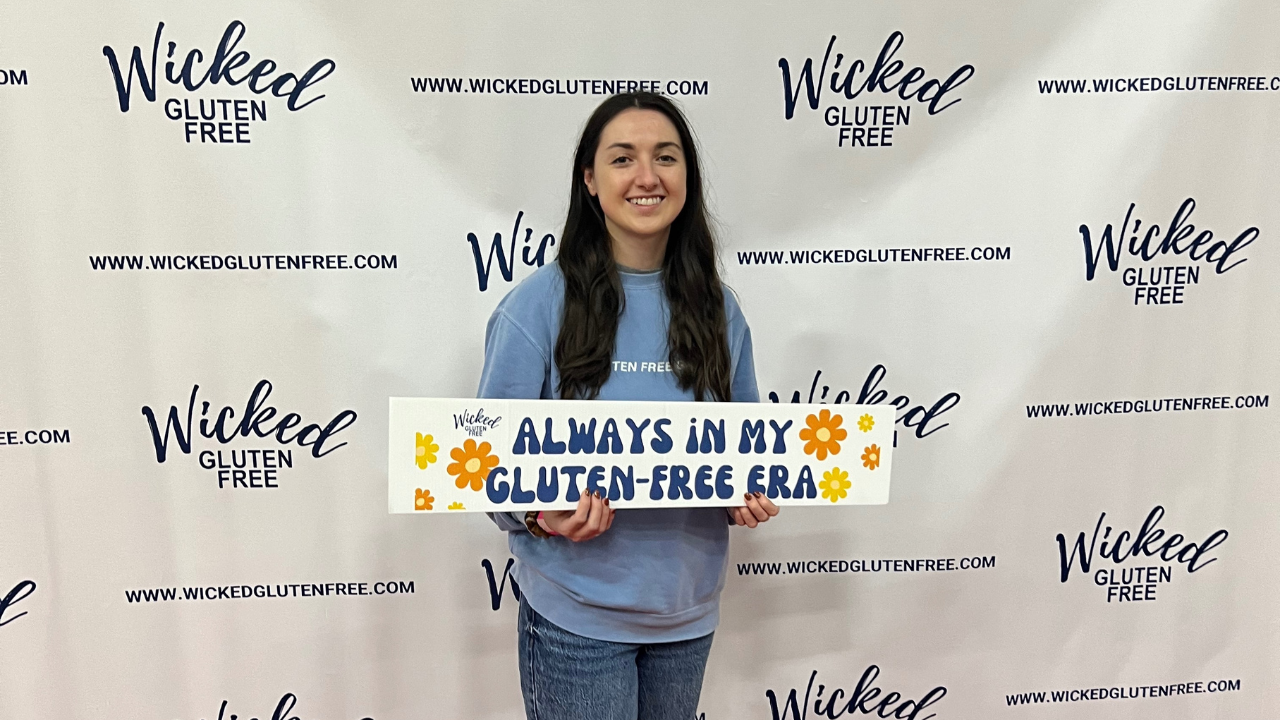
Share your journey with friends and family and let them know how they can support you. Celiac disease is a lifelong disease and everyone deserves support.
You can find me on instagram @celiacdiseasedietitian
Contact me for a 1:1 nutrition appointment here
Join the Celiac Starter Course
This is for you if you:
just got diagnosed with celiac disease
want to learn how to read labels
were diagnosed ages ago but never met with a Registered Dietitian before OR saw a Dietitian who doesn’t specialize in celiac and wasn’t helpful 🙃
need help navigating eating out
miss out on social events
are looking for support with meal planning